Installation

  • Stretch-In Vs Glue-Down Carpet Installation

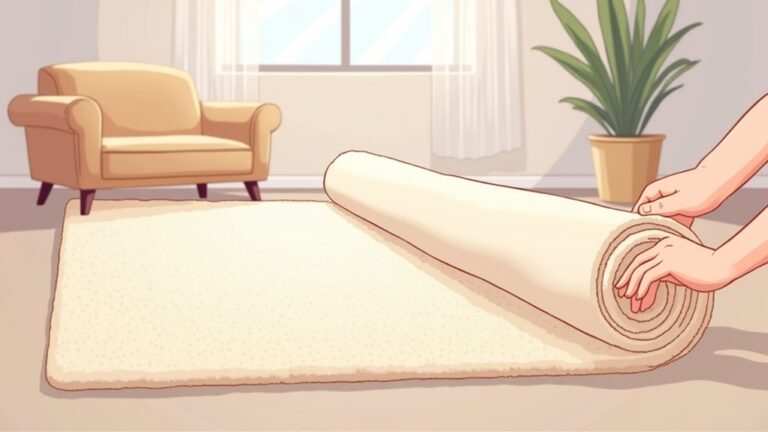
    Stretch-in and glue-down carpet installation each have their own benefits. Stretch-in uses tackless strips. This makes it easier to install. It also provides some cushioning. This type works well in areas with less foot traffic.

    On the other hand, glue-down carpets stick directly to the floor. This gives them better stability. They last longer in high-traffic areas. But they might feel harder underfoot.

    Think about your comfort and how much care you want to give. Consider future removal costs too. These factors will help you decide the best option for your space. Each choice has its own advantages. Knowing them will guide you to the right decision.

  • Cutting And Seaming Carpet Like A Pro

    Cutting and seaming carpet like a pro requires the right tools. Use a seam iron, seam tape, top cutter, and straight edge. Start by aligning the fibers with a Phillips screwdriver. Avoid butting factory edges together. For accurate cuts, use your straight edge and row cutter.

    Place seam tape under the seam. Heat the seam iron for 8-10 seconds on a low setting. Blend seams with your fingertips for a smooth finish. Follow these steps for a professional look. With practice, you’ll master these techniques. Get ready to impress with your new skills!

  • Carpet Installation Cost Breakdown

    Carpet installation costs range from $1 to $3 per square foot. The price varies based on material quality. Plush or nylon carpets cost more than olefin. The layout of your room also matters. Complex designs may increase costs. Removing old carpet adds $100 to $300 to your bill. Don’t forget about padding. It usually costs $0.50 to $1.50 per square foot.

    Consider all these factors for a clear estimate. Quality materials last longer. A good carpet enhances comfort and style. Take time to explore your options for the best results.

  • Subfloor Preparation For Carpet (Concrete)

    Prepare your concrete subfloor for carpet by following these simple steps. First, clean the surface well. Remove all dirt and debris. Next, check for dampness. Use relative humidity and vapor emission tests. Ensure levels stay below 75% RH.

    Level the surface carefully. It should not deviate more than 5 mm over 3 meters. Fill any cracks and uneven spots with patch material. Use a bonding agent before you patch. These steps help ensure a great carpet installation. Follow them closely for the best results.

  • Carpet Installation Step-By-Step Guide

    To install carpet, first measure your room carefully. Add 10-20% more to your measurement. This extra accounts for waste. Remove any old flooring. Check the subfloor to make sure it is clean and smooth.

    Next, install tack strips. Place them with the sharp points facing the wall. Leave space for the carpet’s thickness. Lay down the padding. Secure the seams of the padding well.

    Cut the carpet, leaving extra inches for fitting. Stretch the carpet across the room. Use a knee kicker and a power stretcher to secure it.

    Following these steps helps ensure a successful carpet installation.

  • Planning Carpet Seams And Layout

    Planning carpet seams and layout is key for a great installation. Start by deciding where to place seams. Think about foot traffic and lighting. Hide seams in corners or less visible areas. Make sure the carpet pile direction matches on both sides. Measure the room carefully. For lengthwise seams, use a roll that is 2 meters wide. Consider humidity control to prevent future problems. Following these steps helps create a strong and attractive carpet installation. More tips are available for your project.

  • Why Carpet Under Bed

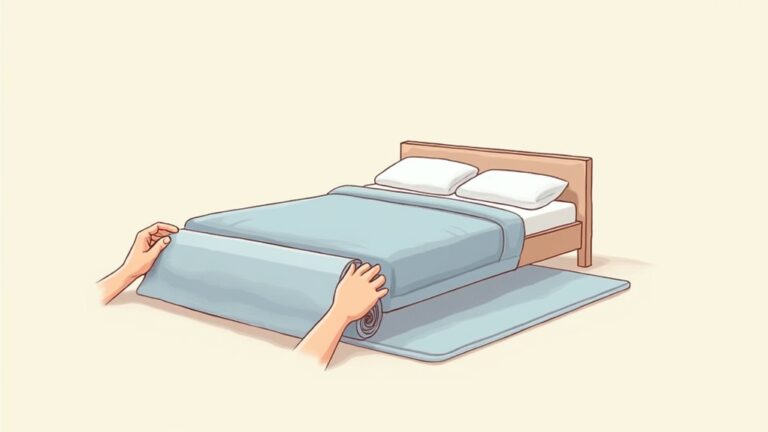
    Placing a rug under your bed makes your bedroom cozier and more stylish. It adds warmth and comfort for your feet when you get out of bed. A rug also helps to tie the room together, giving it a balanced look. Aim for a rug that goes 18 to 24 inches beyond each side of the bed. This ensures that it looks good and feels right. Don’t forget to use a rug pad. It provides extra support and keeps the rug in place. This simple addition can change your space dramatically. A rug under your bed not only looks great but also feels great.

  • Disadvantages Of Carpet In A Dining Room

    Carpets in a dining room have many downsides. They easily get stains and spills. This makes cleaning very important. Food and drinks can get stuck in the fibers. Regular vacuuming helps, but carpets still hold dust and allergens. This can lower air quality in your home.

    Carpets can also clash with your decor. Choosing light colors may look nice, but they show dirt quickly. This limits your design choices. Caring for a carpeted dining area takes extra work. Consider these points before deciding on carpet for your dining room.

  • Installing Carpet On Uneven Floors

    Installing carpet on uneven floors can be tricky, but it’s doable. Start by measuring your space. Make a sketch of any obstacles in the way. A durable carpet, like nylon, works well. It can cover small bumps and dips.

    Clean the subfloor thoroughly. Use leveling compounds to fill in low spots. For larger uneven areas, plywood helps create a flat surface.

    Cut the carpet a bit larger than needed. Always cut from the backside. This method helps prevent fraying. For seams, use strong tape. Tight stretchers ensure a smooth finish.

    Follow these steps for a successful carpet installation on uneven floors. With patience and care, you can achieve great results. Enjoy your new carpet!

  • Door Jambs And Carpet Clearance Tips

    To ensure your door has enough clearance above the carpet, accurate measurements are key. Set the jamb height at least 1/2 inch higher than the carpet thickness. Carpet usually measures between 1/2 to 3/4 inch thick. Use a laser level for straight cuts on your door. Keep airflow in mind by leaving a gap of at least 1/16 inch.

    Wear safety gear while trimming the door. Support the door well to avoid any damage during the process. For better results, consider hiring a professional. They can help improve both the look and function of your doors.

  • Estimating Carpet Waste And Extra

    Estimating carpet waste and extra material is very important for a good installation. Plan for 10-15% extra carpet. For patterned carpets, aim for 20% extra. For rectangular rooms, add 5-7% more. Always measure carefully. Break odd spaces into smaller sections to get accurate measurements. Convert all measurements into square yards. Remember, 1 square yard equals 9 square feet. Adding extra material helps cover cuts and any damage that might happen. Understanding these steps will help you manage your flooring project better.

  • Carpet Tile Installation Guide

    To install carpet tiles, start by measuring your room carefully. Check the subfloor. Make sure it is clean and dry. Use chalk lines to mark the center of the room. This helps create a grid for laying tiles. Begin placing tiles from the center. Keep the pile direction the same for a uniform look. For edges, use a carpet cutter to trim the tiles. After laying them, use a roller to press down and secure the tiles. Finish by putting back the baseboards. Vacuum the area to remove any dust. For more detailed instructions, refer to the guide ahead.