Repairs

  • How To Repair Carpet On Stairs

    To repair carpet on stairs, first find any loose areas. Use a knee kicker to stretch the carpet tightly. Match the teeth to the carpet thickness. Secure the carpet with a manual staple gun. Place staples along the edges and where the riser meets the tread. This helps keep it stable.

    Check your carpet often for wear. Vacuum regularly to keep it clean. Schedule professional cleanings to extend its life. Following these simple steps helps maintain your carpet and keeps your stairs looking great.

  • DIY Carpet Patch Vs Replacement

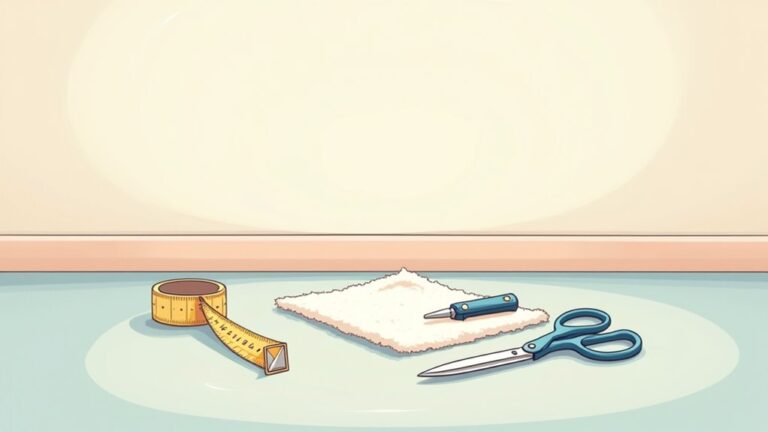
    Decide between a DIY carpet patch and replacement by checking the damage. Small stains or burns are good candidates for patching. Gather tools like a utility knife and adhesive disks. Cut out the damaged section. Find a matching piece of carpet. Apply adhesive around the edges, then press it down firmly.

    For large tears or strong, bad smells, replacement is the better choice. A new carpet can completely refresh the look and feel of your space. Weigh the damage and your options. This will help you choose the best solution for your carpet.

  • Re-Gluing Carpet Edges To Tack Strip

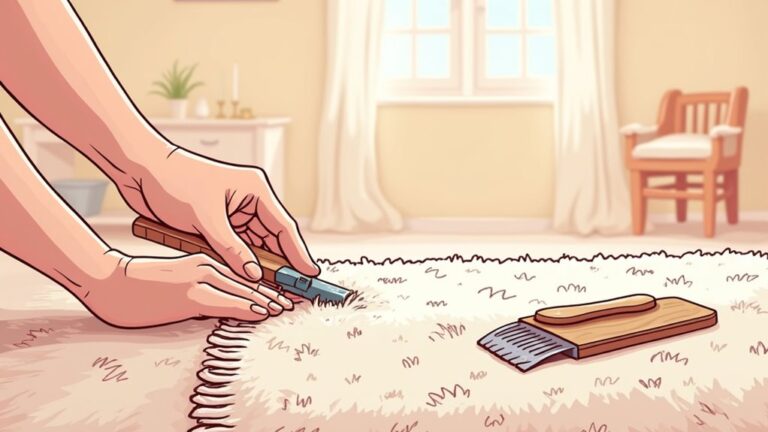
    Re-gluing carpet edges to a tack strip is a simple task. Gather these tools: a crowbar, a sharp nail, a razor blade, and adhesive remover.

    Start by gently lifting the tack strip. Pull the carpet back a few inches. Use the nail to separate the fibers. Trim any frayed edges with the razor blade.

    Cut a new piece of carpet. Make it slightly larger than the area you’re fixing. Apply a thin line of glue to the tack strip.

    Press the carpet down onto the glue. For a strong bond, place some weight on the area for 24 hours. This will help the glue set well.

    Follow these steps for a smooth repair. You’ll have a seamless look in no time!

  • Removing Buckling In Wall-To-Wall Carpet

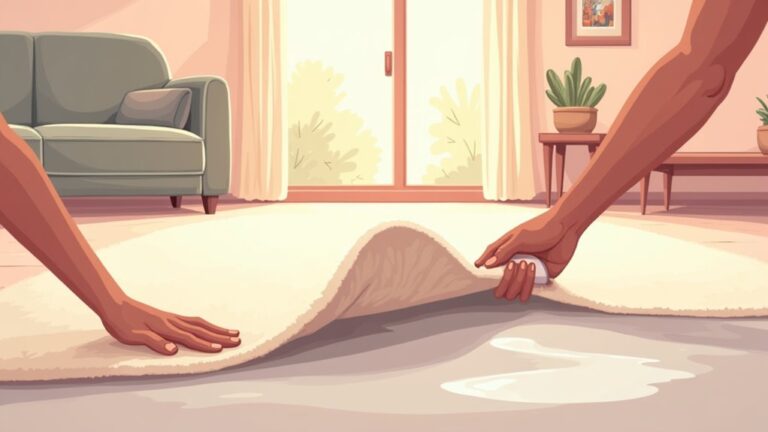
    To remove buckling in wall-to-wall carpet, first, move all furniture aside. Check for damp spots. Make sure the carpet is completely dry. Use a carpet stretcher. Start in the center and move outward to smooth out wrinkles. After stretching, secure the edges with tack strips. For tough areas, apply heat. A hairdryer or steam cleaner works well. Proper installation and controlling humidity can help prevent future issues. Regular maintenance keeps your carpet looking great. Consider professional help for best results.

  • Replacing Damaged Carpet Pad Section

    To replace a damaged carpet pad section, start by checking for wet spots and odors. Gather your tools: a utility knife, carpet seam tape, and a matching donor piece. Cut out the damaged pad carefully. Make clean cuts for a better fit.

    Next, install the donor piece. It should fit tightly and securely. Use carpet tape to hold it in place. Blend the seams. Match the direction of the fibers. Roll the seams with a carpet seam roller for a smooth finish. Follow these steps for a successful repair.

  • Carpet Seam Peaking Causes And Fixes

    Carpet seam peaking occurs due to bad installation or changes in the environment. Fixing this problem requires a few simple steps. First, ensure the carpet is tightly stretched during installation. Using good-quality seam tape is essential. Regular maintenance checks can help keep seams strong and secure.

    For a quick fix, use a seaming iron with tape to bond the seams better. It’s also wise to position seams away from windows. This reduces light exposure and helps prevent peaking. Thicker carpets can hide seams more effectively.

    For a long-lasting solution, think about hiring a professional. They can repair seams and restore your carpet’s look. With the right care, you can keep your carpet looking great for years.

  • Color Repair For Sun-Faded Carpet

    Repairing sun-faded carpets is possible and can bring back their original look. Start by checking how much the carpet has faded. Compare the sunlit areas to the shaded spots. For small fading, a simple mix of vinegar and baking soda can help brighten the fibers.

    If the fading is severe, consider hiring a professional for carpet dyeing. This can restore the color effectively. To prevent fading in the future, use UV-blocking window treatments. Clean spills right away to avoid stains. Regular vacuuming keeps carpets looking fresh. Professional cleaning also helps maintain vibrancy.

    Explore these methods to restore and protect your carpets. Keeping them vibrant is easier than you think!

  • Patching A Burned Carpet Spot

    Patching a burned carpet spot is simple. First, check the damage. Look at how deep and big the burn is. For small burns, trim any damaged fibers. Clean the area well. You can use fibers from a hidden part of the carpet if you need to replace some. Just glue them down carefully.

    For larger burns, cut a matching patch from another carpet piece. Use double-face tape to secure the patch. Blend the edges so it looks good. Take steps to prevent future burns too. Simple tips can help keep your carpet safe.

  • Carpet Restretching Step By Step

    Restretching a carpet is simple. Gather your tools first. You will need a power stretcher, knee kicker, pliers, and a utility knife.

    Start by moving all furniture out of the way. Next, use the power stretcher to pull the carpet tight. Begin at the center and work towards the walls.

    After stretching, secure the edges with pliers. Trim any extra carpet with the utility knife.

    If you notice wrinkles or bunching, use a carpet iron. This tool helps relax the fibers.

    Follow these steps for a smooth, wrinkle-free carpet. Enjoy your refreshed space!

  • What Causes Carpet To Ripple

    Carpet rippling occurs for many reasons. High humidity makes carpets absorb moisture. This leads to swelling. Poor installation causes loose fibers. Without proper stretching, ripples appear. Weak underpadding can also be a problem. A good base supports the carpet better. Spills or cleaning can add extra moisture. Heavy furniture can stretch fibers too. This creates uneven pressure. Knowing these causes helps you prevent rippling. Keep your carpets looking great!

  • Repairing Carpet Transition To Tile

    Repairing the carpet transition to tile is an important task. First, check the height difference between the carpet and tile. You have two main options: Z bars or cover plates. Z bars provide a strong hold and help prevent fraying. Cover plates work well for different heights and can look nice.

    Measure the area carefully. If you need to, cut the tile to fit. Next, install the transition strip securely. This ensures safety and improves the overall look of your floor. Follow these steps, and you’ll have a great transition between your carpet and tile.

  • Repair Pet Damage In Carpet

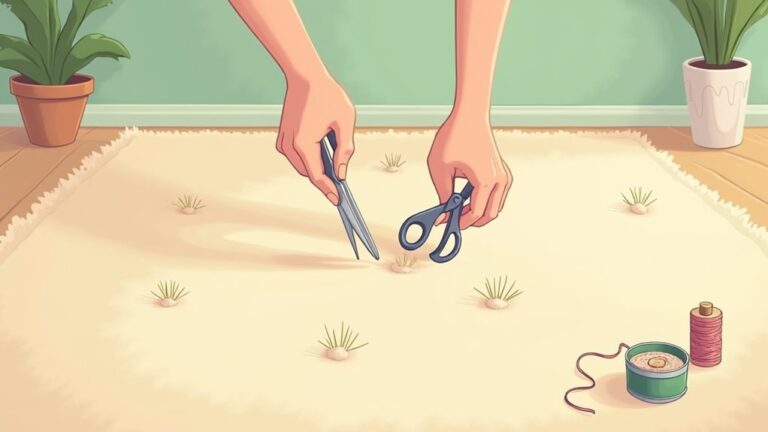
    Repairing pet damage in carpets is easy. First, check the damage type. Look for stains or tears. For small tears, use fabric adhesive to stick the edges together. Trim any loose fibers with sharp scissors. This helps stop fraying.

    For stains, act fast. Blot the stain with a paper towel. Then, mix vinegar and water. Apply this solution to the stain. For stubborn odors, sprinkle baking soda after cleaning the stain.

    For larger damages, you might need professional help. Professionals can fix the carpet completely. Keep these tips in mind for a better-looking carpet!